
‘History does not always speak the truth.
Sometimes, it silences the truth.’
Sometimes, it silences the truth.’
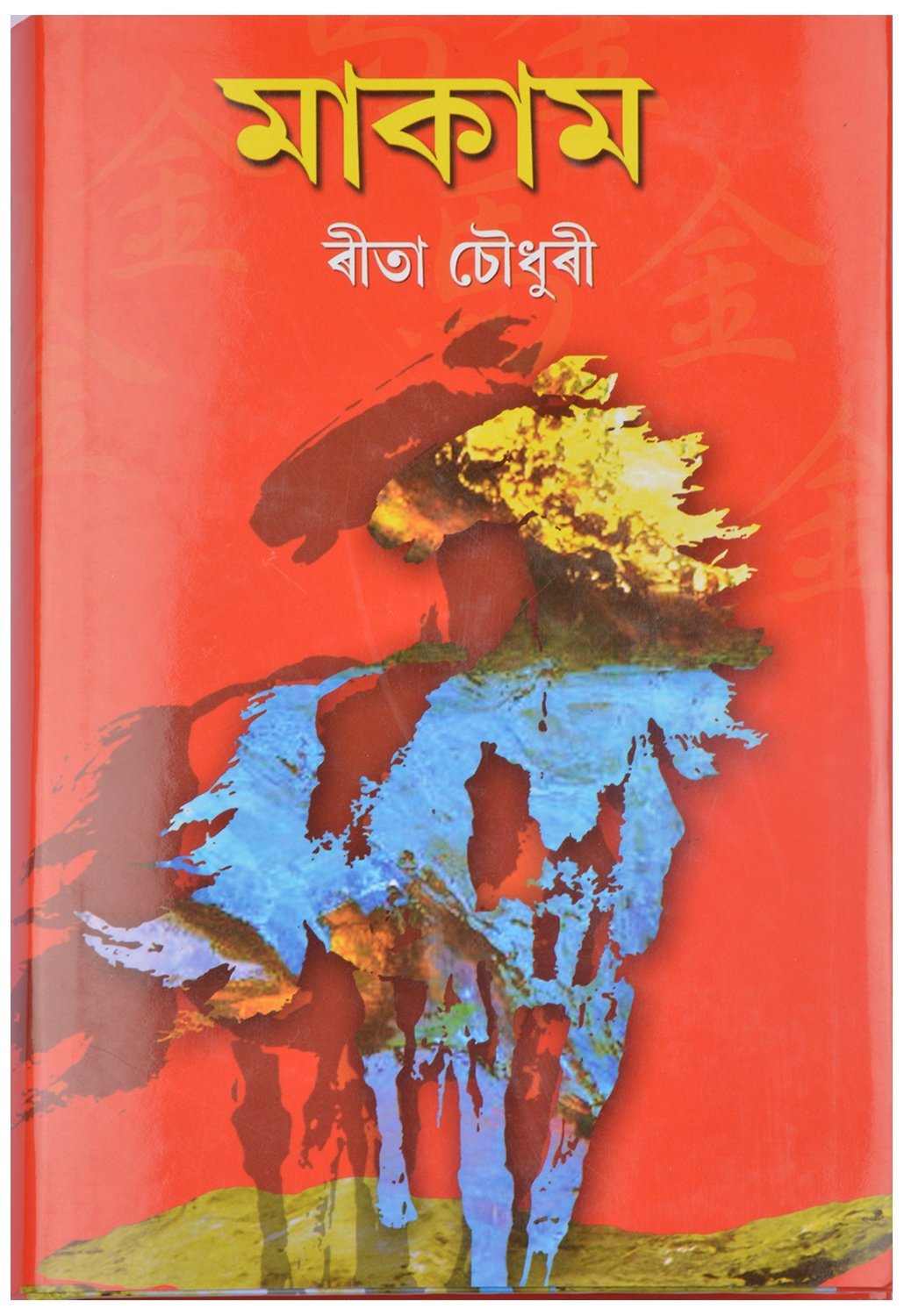
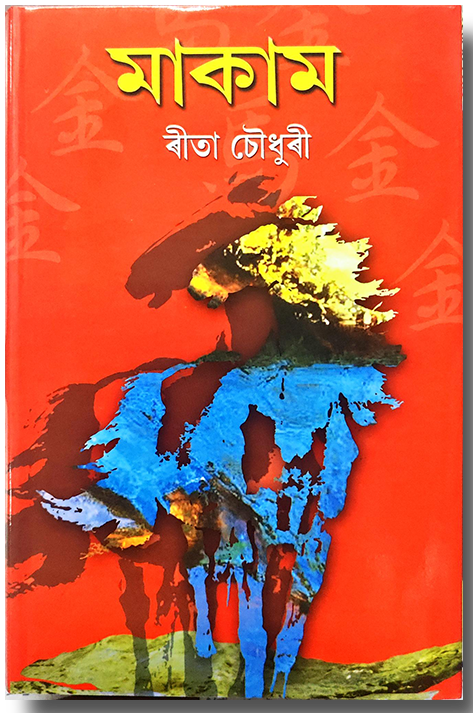
Rita Chowdhury’s Makam (2010), translated as
Chinatown Days, is a landmark Assamese novel that recovers a forgotten chapter of Indian history —
the persecution of the Assamese-Chinese community during the 1962 Sino-Indian War.
The novel chronicles the trauma of nearly 1,500 people who were wrongfully detained,
branded traitors, and deported, severing their ties to home and identity.
Going through 10 editions in its first year, Makam resonated far beyond Assam as a universal story of injustice,
displacement, and the endurance of memory — a powerful act of historical reclamation that gives voice to the silenced.






 YouTube
 Spotify

Newsletter
Be the frist know what I’m up to